
.jpg?language_id=1)
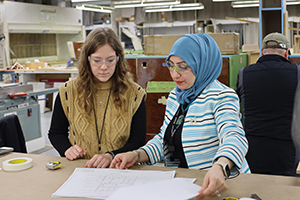
For more than 35 years, Duncan Aviation’s Engineering Department has evolved alongside our customers’ needs, steadily expanding its expertise, capabilities, and professionalism to support increasingly complex aircraft modifications and repairs.
A major milestone came in 2015, when Duncan Aviation received ODA (Organization Designation Authorization) status. This allows our engineering team to perform certain functions on behalf of the FAA—streamlining approvals for STCs, MRAs (Major Repairs and Alterations), and PMAs (Parts Manufacturer Approvals), as well as issuing Airworthiness Certificates and managing aircraft imports and exports.
For customers, the benefit is clear: faster approvals, fewer delays, and lower overall costs. By managing the entire certification process efficiently under FAA oversight, Duncan Aviation helps operators return to service sooner, with confidence that every detail meets the highest regulatory standards.
See how Duncan Aviation's engineering services can assist with your next project.

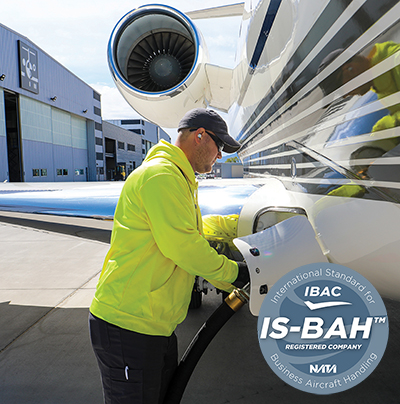
Duncan Aviation has four FBO locations. In addition to providing Line Services at our Battle Creek, Lincoln, and Provo MROs, we also provide fuel services at the Kalamazoo, Michigan, airport. All locations have achieved the highest level of safety accreditation in business aviation ground handling—IS-BAH Stage 3, a distinction earned by fewer than 10 percent of FBOs worldwide. This level reflects fully integrated SMS (Safety Management Systems), a strong safety culture, and continuous improvement verified through independent audits every three years. In addition, each location has earned the NATA Safety 1st Clean Standard, ensuring customers experience a clean, safe, and consistently managed environment at every visit.
Duncan Aviation Line Services teams operate in climates that had temperatures in 2025 that ranged from a low of −17°F to highs reaching 102°F, creating a total temperature swing of 119 degrees. Between our locations, Line Services operates across three shifts ranging from five to 10 team members per shift, ensuring continuous 24/7 aircraft support across all weather conditions and times of day.
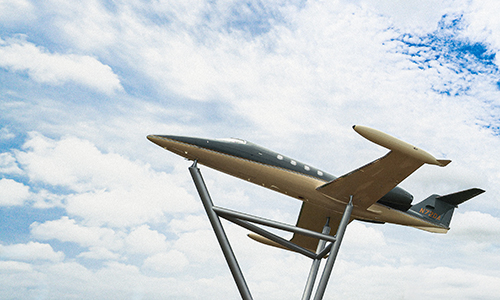
Duncan Aviation’s Learjet 35 monument at the Lincoln facility logged nearly 13,000 flight hours and more than 10,000 landings before its retirement in 2009. After serving as a monument for nine years, the aircraft was temporarily moved to support new hangar construction and later returned. Preserved as a sculpture, the aircraft became a time capsule signed by team members who flew, maintained, and supported it throughout its life.
Watch the video of the placing of this piece of aviation history.