
CPDLC/ADS-C & Datalink Testing
Ahead of a scheduled flight, pilots and DOMs should test their datalink systems to ensure they are able to connect and request and receive valuable flight information.


The Duncan Intelligence is a free, technical newsletter for business aircraft owners and operators. Written in-house by Duncan Aviation's technical representatives, each edition includes technical tips and advice on topics and trends in business aviation. It is a free, monthly e-mail subscription for aviation enthusiasts around the world.
Subscribe now to receive the Duncan Intelligence in your inbox.
Ahead of a scheduled flight, pilots and DOMs should test their datalink systems to ensure they are able to connect and request and receive valuable flight information.

Selecting the right business jet is a high-stakes investment, but the sheer volume of data can make narrowing your search feel overwhelming. Duncan Aviation has simplified this process with an updated Model/Market Summary that compares everything from hourly operating costs to full-seat range across the latest airframes. Check out how this tool can streamline your next acquisition and help you identify the perfect model for your mission.
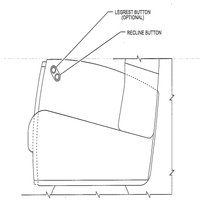
When an aircraft seat’s hydraulic recline mechanism starts to feel spongy, develop play, or slowly creep upright, a leak in the actuator may be to blame. Before removing the unit for overhaul, try a simple, often overlooked step.

In my experience as an Avionics Tech Rep, unless I am talking to the person who witnessed the squawk, I go under the assumption that there is always more to the story than what I am told.
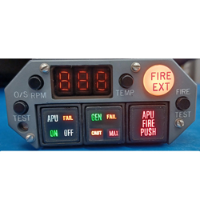
The Duncan Aviation /Garrett APU system interfaces with the aircraft’s electrical system and includes controls for operating, monitoring, and regulating the APU. As seldom as these systems fail, when they do, it can be confusing to determine which box is causing the problem.
Don't Let Your Spare Aircraft Batteries Go Flat! Keeping a stock of essential aircraft batteries is crucial for operational readiness, but did you know that improper storage can drastically cut their lifespan and capacity? While temperature affects performance in the air, the storage environment is key to minimizing self-discharge and maintenance needs. Discover how optimizing storage temperature—from the effects of higher heat to the benefits of cold storage—can save you money, extend battery life, and ensure your spares are ready to deliver maximum performance when you need them most.
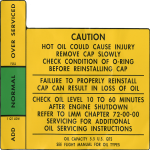
Honeywell has issued two Category II Reliability Service Bulletins, TFE731-79-3070 R1 and TFE731-79-5120, for the installation of new instruction plate decals on oil tanks to help prevent oil over-servicing.

To continue conducting business, operators need to stay connected to their contacts on the ground while at any altitude, anywhere in the world. Here is a low-cost alternative.

We urge a thorough inspection of this specific area during all future maintenance, especially as part of a pre-purchase evaluation, to detect and address cracks early.
Not sure why the engine computer light begins to flash after several flights and the only fault you can see is fault code 237, ECTM Buffer Filled? Keep reading to learn more.

Many factors will cause a low or high oil pressure indication on TFE731 engines. One of the more common causes is a faulty Breather Pressurizing Valve (BPV).
The unit requires to be function tested every 1200 hours or 36 Months, whichever occurs first. However, we have often witnessed that these actuators do not make it between function tests.

Safety Management Systems: why they are essential, and how they are not all the same.

The main system components of the factory-installed FDR covered by STC10001SC-D are obsolete. They are no longer available for purchase or repair, and there is no longer a method of support for any of these critical FDR components.

Proper maintenance of starter and generator terminal blocks is critical for aircraft safety and reliability. A seemingly small issue, such as a loose wire or incorrect torque, can cause catastrophic failure through arcing, rapidly leading to melting, component disintegration, and potential damage to the surrounding aircraft structure.