
CPDLC/ADS-C & Datalink Testing
Ahead of a scheduled flight, pilots and DOMs should test their datalink systems to ensure they are able to connect and request and receive valuable flight information.


The Duncan Intelligence is a free, technical newsletter for business aircraft owners and operators. Written in-house by Duncan Aviation's technical representatives, each edition includes technical tips and advice on topics and trends in business aviation. It is a free, monthly e-mail subscription for aviation enthusiasts around the world.
Subscribe now to receive the Duncan Intelligence in your inbox.
Ahead of a scheduled flight, pilots and DOMs should test their datalink systems to ensure they are able to connect and request and receive valuable flight information.

Selecting the right business jet is a high-stakes investment, but the sheer volume of data can make narrowing your search feel overwhelming. Duncan Aviation has simplified this process with an updated Model/Market Summary that compares everything from hourly operating costs to full-seat range across the latest airframes. Check out how this tool can streamline your next acquisition and help you identify the perfect model for your mission.
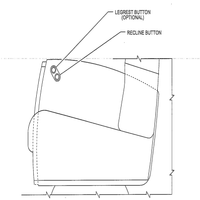
When an aircraft seat’s hydraulic recline mechanism starts to feel spongy, develop play, or slowly creep upright, a leak in the actuator may be to blame. Before removing the unit for overhaul, try a simple, often overlooked step.

In my experience as an Avionics Tech Rep, unless I am talking to the person who witnessed the squawk, I go under the assumption that there is always more to the story than what I am told.
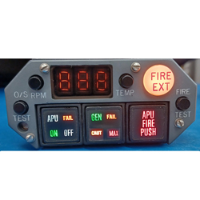
The Duncan Aviation /Garrett APU system interfaces with the aircraft’s electrical system and includes controls for operating, monitoring, and regulating the APU. As seldom as these systems fail, when they do, it can be confusing to determine which box is causing the problem.