
Figuring out the cause of an A/P (autopilot) squawk is more involved than just looking up the symptoms and determining a course of action. It involves a rather complex decision tree with several steps and scenarios. Altitude Hold INOP is a common A/P squawk that we encounter at Duncan Aviation Component Services nearly every day. Below are some of the basic questions we ask that lead us in the right direction towards a correct solution.
If the altitude mode is not showing engaged, the next step is to determine whether the fault lies with the flight computer or the air data. There are two main things required by the FD (Flight Director) computer in order for the Altitude Hold Mode to engage:
If both signals are being transmitted correctly to the FD computer, you can assume the FD computer is faulty.
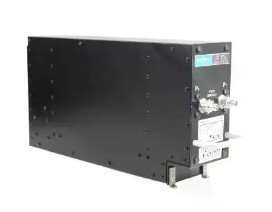 If the A/P is drifting off altitude, first determine if the flight command bars are responding appropriately. For instance, if the A/P drifts off the altitude and the flight command bars do not recognize it and give the command to correct, the altitude error from the Air Data Sensor is not getting to the flight computer.
This could be a faulty Air Data Sensor or FD computer. If the error can be confirmed to have reached the FD computer, the computer is faulty.
However, if the flight command bars respond with corrective action when the A/P drifts off but the A/P doesn’t respond, I would look into the A/P amp or its connection to the FD computer.
Another thing to check is the Auto Trim. If the Auto Trim does not come in and take the effort away from the elevator servo after initial correction, the servo may run out of authority to hold the correction and allow the aircraft to drift off.
If the A/P hunts for the altitude, this could indicate either an altitude hold or a pitch channel problem. Even though it may appear to be only an altitude hold failure, we need to remember that in altitude hold, the A/P is trying to maintain a tight altitude reference against the pitch attitude input. A pitch failure could be caused by any number of other parameters that will appear more often during altitude hold, due to the tight reference.
As you can see, there is no obvious answer to an Autopilot Altitude Hold INOP squawk, and these questions are not all-inclusive. We haven’t addressed cable tensions or servo motors. When troubleshooting autopilot squawks, don’t be discouraged if the answer isn’t obvious.
Reach out to a Duncan Aviation Avionics Component Tech Rep via email at: LNK.ComponentTechReps@DuncanAviation.com. We are happy to guide you through the traps to determine the correct course of action.
November 2026
November 2026
October 2026
October 2026
September 2026