
CPDLC/ADS-C & Datalink Testing
Ahead of a scheduled flight, pilots and DOMs should test their datalink systems to ensure they are able to connect and request and receive valuable flight information.


The Duncan Intelligence is a free, technical newsletter for business aircraft owners and operators. Written in-house by Duncan Aviation's technical representatives, each edition includes technical tips and advice on topics and trends in business aviation. It is a free, monthly e-mail subscription for aviation enthusiasts around the world.
Subscribe now to receive the Duncan Intelligence in your inbox.
Ahead of a scheduled flight, pilots and DOMs should test their datalink systems to ensure they are able to connect and request and receive valuable flight information.

Selecting the right business jet is a high-stakes investment, but the sheer volume of data can make narrowing your search feel overwhelming. Duncan Aviation has simplified this process with an updated Model/Market Summary that compares everything from hourly operating costs to full-seat range across the latest airframes. Check out how this tool can streamline your next acquisition and help you identify the perfect model for your mission.
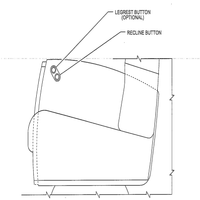
When an aircraft seat’s hydraulic recline mechanism starts to feel spongy, develop play, or slowly creep upright, a leak in the actuator may be to blame. Before removing the unit for overhaul, try a simple, often overlooked step.

In my experience as an Avionics Tech Rep, unless I am talking to the person who witnessed the squawk, I go under the assumption that there is always more to the story than what I am told.
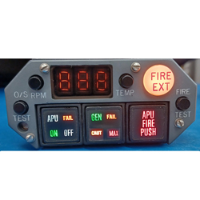
The Duncan Aviation /Garrett APU system interfaces with the aircraft’s electrical system and includes controls for operating, monitoring, and regulating the APU. As seldom as these systems fail, when they do, it can be confusing to determine which box is causing the problem.
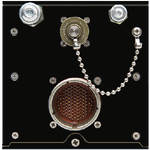
As LITEF LCR-92/93 AHRS units become increasingly difficult and costly to support, legacy PC-12 operators need a practical way to address avionics obsolescence without a major flight deck upgrade. Archangel Systems’ FAA-approved replacement provides a current-generation solution designed to minimize installation time, aircraft modifications, and downtime.

Few business jets have had the staying power of the Dassault Falcon 900. More than 40 years after its first flight, the three-engine Falcon 900 remains a capable large-cabin business jet, thanks to decades of refinements to its engines, range, aerodynamics, and avionics. While the different 900 models may look similar on the ramp, their capabilities, maintenance needs, and market values can vary significantly. Understanding how each generation evolved—and what those changes mean for ownership—can help buyers make a more informed decision when considering a Falcon 900.
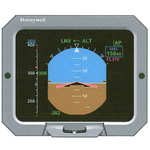
The first step to troubleshooting an inoperable NAV is to identify the NAV source the pilot was using at the time of the failure.

Proactive planning can make all the difference in today’s high-demand maintenance environment. Connect with Duncan Aviation early to improve scheduling flexibility, anticipate parts needs, and minimize aircraft downtime—but don’t hesitate to reach out when an unexpected need arises. Openings happen, and communication is key to keeping your aircraft flying safely and efficiently.
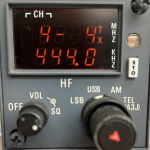
Not every KHF-950 system that appears stuck in transmit mode is actually broken. Proper operation of the KFS-594 controller relies on specific programming and antenna-tuning steps that are easily overlooked. Here is a brief guide to the proper operating sequence, key controller modes, and quick fixes to prevent unnecessary bench testing.

Navigating the 2026 preowned jet market requires looking beyond simple asking prices. Competition remains fierce for premium long-range models. Meanwhile, supply chain bottlenecks and maintenance requirements are reshaping aircraft valuations across all categories, making real-time market intelligence and expert guidance critical for both buyers and sellers.
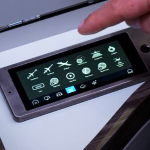
Discover the future of in-flight comfort and control with Duncan Aviation’s installation of the Collins Venue Cabin Management System. This video walks you through the features of this state-of-the-art CMS, designed to enhance the passenger experience with intuitive controls, premium connectivity, and powerful entertainment options.
Here are three easy steps to convert jet fuel from pounds to gallons in your head.
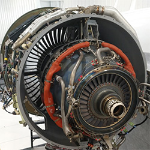
Honeywell issued Service Bulletin AS907-72-9094 that calls for the replacement of the #4 carbon seal on the HTF7000/AS907 series engines. We can do this as an engine-only event in as little as 4 days.

Are your aircraft's RVSM operations fully compliant? While FAA requirements shifted away from standalone approved programs, configuration control and height-monitoring standards remain strictly enforced. Learn the key differences between Section 9 and Section 3 pathways and Duncan Aviation’s role in keeping you airworthy.