The Duncan Intelligence is a free, technical newsletter for business aircraft owners and operators. Written in-house by Duncan Aviation's technical representatives, each edition includes technical tips and advice on topics and trends in business aviation. It is a free, monthly e-mail subscription for aviation enthusiasts around the world.
Subscribe now to receive the Duncan Intelligence in your inbox.
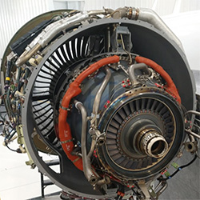
Honeywell issued Service Bulletin AS907-72-9094 that calls for the replacement of the #4 carbon seal on the HTF7000/AS907 series engines. We can do this as an engine-only event in as little as 4 days.
Are your aircraft's RVSM operations fully compliant? While FAA requirements shifted away from standalone approved programs, configuration control and height-monitoring standards remain strictly enforced. Learn the key differences between Section 9 and Section 3 pathways and Duncan Aviation’s role in keeping you airworthy.
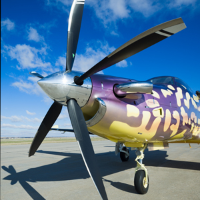
As business travel demands grow, many owners of piston twins begin looking at turboprops for greater range, payload, reliability, and operational flexibility. But moving to turbine power involves more than buying a larger aircraft. From maintenance planning and pilot training to operating costs and regulatory requirements, a successful transition depends on carefully matching the aircraft to the mission. This article examines the key benefits, tradeoffs, and considerations to help buyers determine whether a turboprop is the right next step for their operation.
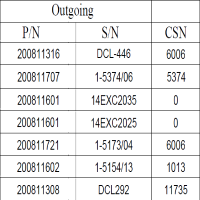
Most overhaul delays don't start in the shop. They start with the logbooks when the serial number stamped on a part doesn't match the one listed in the maintenance logs. Reconstructing that paper trail can ground an aircraft for weeks and force you to replace parts that are actually totally fine. Here's a quick breakdown of where Chapter 5 records often fall through the cracks and how to resolve discrepancies before your aircraft goes down.
While the FAA encourages the TCAS 7.1 upgrade, strict ICAO and EASA mandates make it a necessity for international operators. Learn how Version 7.1 improves flight safety, impacts your flight plans, and what certification path your aircraft requires.
During the course of the last six months, technicians at Duncan Aviation have found several MLG OB door hinges seized. Learn more about proper operation and maintenance.
A stunning new paint job can transform an aircraft, but a non-compliant registration number will quickly ground it. Under 14 CFR Part 45, the FAA enforces strict geometric rules for your tail number. Before you finalize your custom livery, make sure your design meets these non-negotiable dimensions.
Tracing an intermittent component failure on a static test bench is a frustrating guessing game. Fortunately, you are already carrying the solution. Documenting a live squawk with your smartphone camera provides technicians with unmistakable visual evidence, eliminating vague diagnostic loops and ensuring the problem gets fixed right the first time.
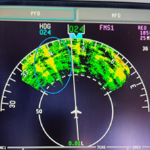
Is radar spoking cluttering your cockpit display? Whether it's caused by high-altitude arcing, external interference, or a recent maintenance, tracking down the source can be tricky. Keep reading to learn the common causes of radar anomalies and the essential troubleshooting questions to help you isolate the issue fast.
Tight maintenance schedules shouldn't ground your avionics upgrades. While MROs prioritize large, multi-shop jobs, Duncan Aviation’s Satellite shops offer a flexible alternative. Read how our teams can efficiently handle everything from connectivity installations to critical flight deck upgrades without the long wait times.
When buying or selling a business aircraft, there’s a big difference between how a model looks on a spreadsheet and how it performs in everyday operations. Keep reading to explore how real-world data from Duncan Aviation’s own active Flight Department bridges this gap, giving our Sales & Acquisitions team unique, practical insights that help clients minimize risk, clarify the realities of ownership, and find the perfect mission fit.
Selecting the right business jet is a high-stakes investment, but the sheer volume of data can make narrowing your search feel overwhelming. Duncan Aviation has simplified this process with an updated Model/Market Summary that compares everything from hourly operating costs to full-seat range across the latest airframes. Check out how this tool can streamline your next acquisition and help you identify the perfect model for your mission.
Dive into our six comprehensive FAQs that break down the hidden environmental and handling factors that accelerate internal servo wear. Learn exactly what to expect from a master-certified inspection and how to determine if a repair or full replacement makes the most sense for your aircraft.
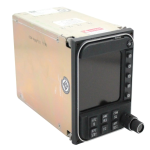
Collins Aerospace announced the discontinuance of the RTU-870 series Radio Tuning Units in 2014. While the upgrade path remains the primary long-term solution for many operators, it is not always the most practical or cost-effective option. Many operators seek alternatives to full system replacement.