TCAS 7.1 Upgrade
TCAS 7.1 is being offered as an upgrade by all of the major TCAS manufacturers and makes two important safety enhancements.


The Duncan Intelligence is a free, technical newsletter for business aircraft owners and operators. Written in-house by Duncan Aviation's technical representatives, each edition includes technical tips and advice on topics and trends in business aviation. It is a free, monthly e-mail subscription for aviation enthusiasts around the world.
Subscribe now to receive the Duncan Intelligence in your inbox.
TCAS 7.1 is being offered as an upgrade by all of the major TCAS manufacturers and makes two important safety enhancements.
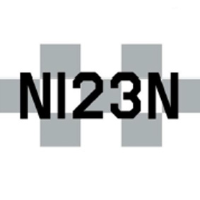
A stunning new paint job can transform an aircraft, but a non-compliant registration number will quickly ground it. Under 14 CFR Part 45, the FAA enforces strict geometric rules for your tail number. Before you finalize your custom livery, make sure your design meets these non-negotiable dimensions.
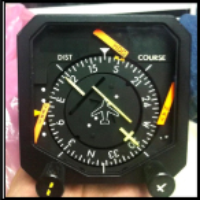
Tracing an intermittent component failure on a static test bench is a frustrating guessing game. Fortunately, you are already carrying the solution. Documenting a live squawk with your smartphone camera provides technicians with unmistakable visual evidence, eliminating vague diagnostic loops and ensuring the problem gets fixed right the first time.
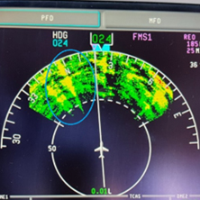
Is radar spoking cluttering your cockpit display? Whether it's caused by high-altitude arcing, external interference, or a recent maintenance, tracking down the source can be tricky. Keep reading to learn the common causes of radar anomalies and the essential troubleshooting questions to help you isolate the issue fast.
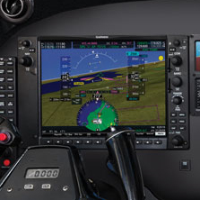
Tight maintenance schedules shouldn't ground your avionics upgrades. While MROs prioritize large, multi-shop jobs, Duncan Aviation’s Satellite shops offer a flexible alternative. Read how our teams can efficiently handle everything from connectivity installations to critical flight deck upgrades without the long wait times.

When buying or selling a business aircraft, there’s a big difference between how a model looks on a spreadsheet and how it performs in everyday operations. Keep reading to explore how real-world data from Duncan Aviation’s own active Flight Department bridges this gap, giving our Sales & Acquisitions team unique, practical insights that help clients minimize risk, clarify the realities of ownership, and find the perfect mission fit.

Selecting the right business jet is a high-stakes investment, but the sheer volume of data can make narrowing your search feel overwhelming. Duncan Aviation has simplified this process with an updated Model/Market Summary that compares everything from hourly operating costs to full-seat range across the latest airframes. Check out how this tool can streamline your next acquisition and help you identify the perfect model for your mission.
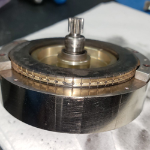
Dive into our six comprehensive FAQs that break down the hidden environmental and handling factors that accelerate internal servo wear. Learn exactly what to expect from a master-certified inspection and how to determine if a repair or full replacement makes the most sense for your aircraft.
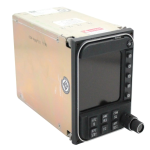
Collins Aerospace announced the discontinuance of the RTU-870 series Radio Tuning Units in 2014. While the upgrade path remains the primary long-term solution for many operators, it is not always the most practical or cost-effective option. Many operators seek alternatives to full system replacement.

It is believed that around 3,000 BCE., the Egyptian unit of length was established. The Royal Egyptian cubit was decreed to be equal to the length of the forearm from the bent elbow to the tip of the extended middle finger plus the width of the palm of the hand of the Pharaoh ruling at the time. The Royal Cubit Master was carved from a block of black granite to endure for all time (the equivalent of today’s primary standard).
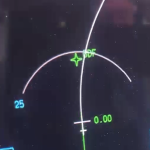
Operators who have recently updated their Navigation Computers to NZ 6.1 (or later) software may notice unexpected flight behavior. These symptoms typically include the aircraft sequencing to the next waypoint as early as 20 miles out, shallow turns, and overshooting direct-to waypoints during departure. Although these issues may appear to be internal hardware faults or software bugs, the solution is a straightforward on-wing configuration adjustment.
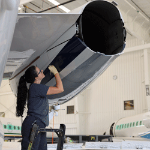
Is your aircraft's paint job a luxury or a structural necessity? While it certainly looks great on the ramp, your paint system is actually a critical maintenance component engineered to shield the airframe from corrosion, UV damage, and environmental stressors. Read our latest feature to learn why a proactive paint program is the key to preserving your jet’s safety, integrity, and long-term market value.

International aircraft transactions are complex, involving a delicate balance of FAA compliance, customs coordination, and airworthiness certification. As a Part 25 aircraft owner, you understand the strategic value of moving assets across borders, but the technical execution remains a high-stakes endeavor.
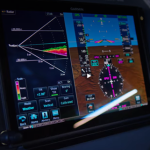
Offering superior integration and a wide array of safety-enhancing and self-monitoring features, the GFC 600 digital autopilot is a revolution in aftermarket flight control solutions.

The Bombardier Global 5000 continues to be a top choice for operators seeking a large-cabin, transcontinental jet without the investment required for newer flagship models. This market overview examines how its 5,200nm range and short-runway agility keep it competitive, while highlighting the importance of engine programs and avionics upgrades in maintaining the aircraft's long-term utility and resale appeal.