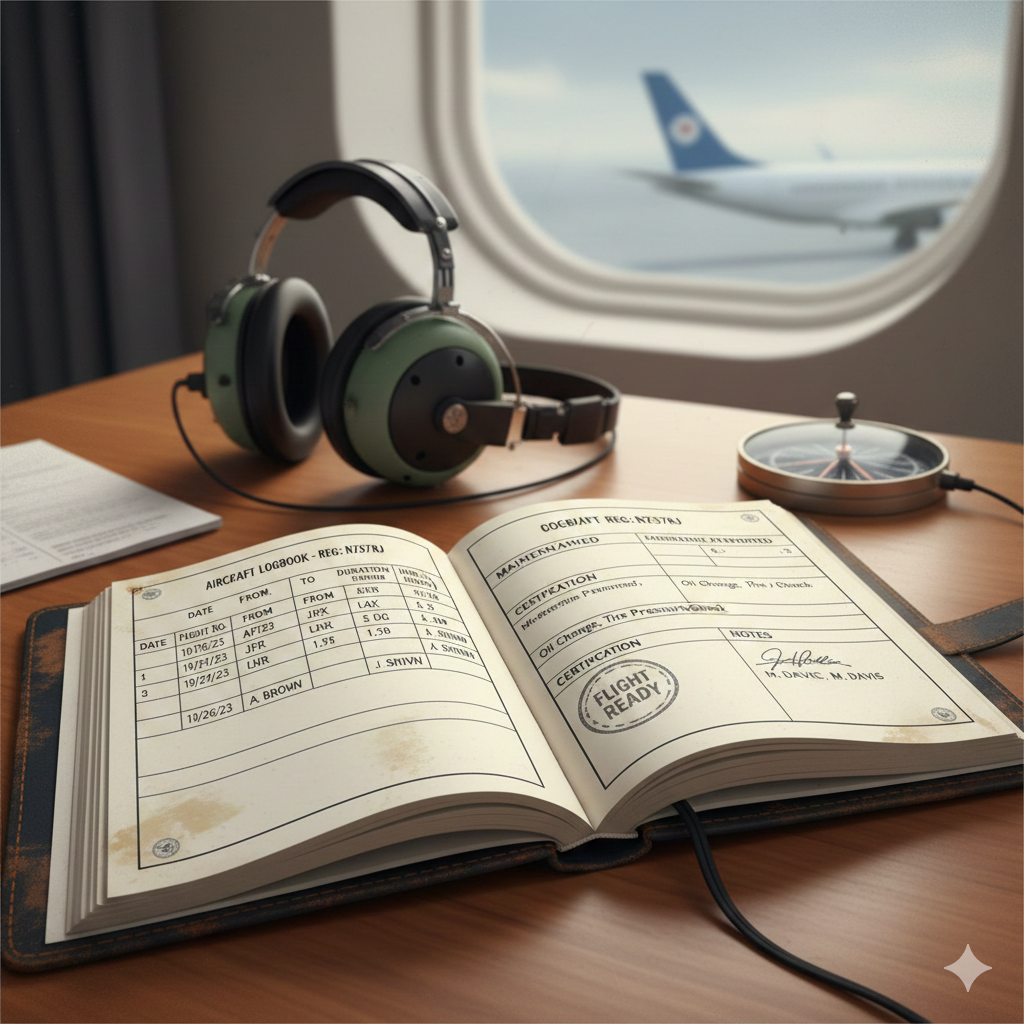
At Duncan Aviation, one of the most common issues that extends landing gear overhaul downtime isn’t worn parts. It’s inaccurate documentation.
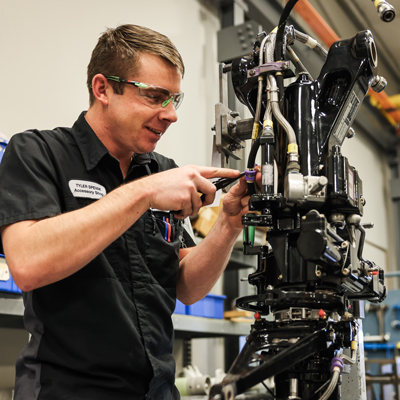 Landing gear assemblies contain serialized Chapter 5 parts that must be tracked throughout their service lives. Depending on the aircraft and component, the applicable life limits may be based on flight hours, landing cycles, or both. Every overhaul, repair, inspection, or component replacement should be accurately reflected in the aircraft’s maintenance records. Those records need to document exactly what was installed, when it was installed, and the accumulated time and cycles associated with each serialized component.
Unfortunately, our technicians regularly find discrepancies between an aircraft’s records and the parts installed on the landing gear. A part listed in the records as serial number ending in 38, for example, may actually be serial number 33 when the gear is disassembled.
If the landing gear still contains its original factory-installed components, resolving a documentation discrepancy is often straightforward. However, if parts have been replaced during previous maintenance events, reconstructing their history can become a lengthy investigation.
Much of the information needed to establish accurate times and cycles may not be found in the aircraft logbooks. Instead, it may be buried in original FAA Form 8130-3 Authorized Release Certificates, component records, or repair station work orders. If those records are missing, rebuilding the component’s history can delay an overhaul for weeks.
More importantly, the operator is ultimately responsible for providing documentation that supports the accumulated time and cycles of each LLP (life-limited part).
If the history of a Chapter 5 part cannot be verified, the operator may be required to replace the part or seek an approved disposition from the aircraft manufacturer. Either option can add unexpected costs and extend the aircraft’s downtime.
Even when the manufacturer provides an approved method for establishing the part’s history, its accumulated usage may need to be calculated using a conservative baseline rather than the part’s actual time and cycles. As a result, incomplete documentation can significantly reduce a component’s documented remaining life or force its premature replacement.
Although these discrepancies may exist for years, they commonly surface during landing gear repair, overhaul, or restoration, when the assembly is disassembled, and the identity and accumulated usage of each serialized LLP are compared with the available records.
We have seen missing serial-number documentation force operators to replace life-limited components that otherwise may have remained in service.
For example, a service bulletin compliance kit may include serialized LLPs but be supplied with a single FAA Form 8130-3 covering the kit as a whole. The form may not identify the individual serial number for each LLP contained in the kit.
Unless those serial numbers and the applicable time-and-cycle baselines are documented when the kit is installed, the operator may later be unable to establish the remaining life of the individual parts. During a future landing gear overhaul, the missing documentation could require additional research, approval from the aircraft manufacturer, or replacement of otherwise serviceable components.
Most life-limited part record discrepancies are preventable.
Before sending your landing gear in for overhaul, let Duncan Aviation review your maintenance records. Providing your logbooks, historical work orders, FAA Form 8130-3 documentation, and other supporting component records in advance allows us to identify discrepancies before your aircraft is down for maintenance.
A little preparation can save weeks of downtime, avoid unnecessary replacement costs, and help keep your overhaul on schedule.
When Duncan Aviation returns your landing gear, every LLP that has been replaced is thoroughly documented. We create life cards containing the required traceability information and provide copies for inclusion with the aircraft’s maintenance records. We also attach the documentation to our work order records and retain it for future reference.
That’s our commitment to helping you protect the value of your landing gear and avoid costly documentation issues at your next overhaul.
November 2026
November 2026
October 2026
September 2026
August 2026