APU Control System: Which Box Do I Send in for Repair?
October 2026
The Duncan Aviation/Garrett APU (Auxiliary Power Unit) system, an option in Dassault Falcon 20, Gulfstream G100, SAAB 340, and Citation 650 aircraft, interfaces with the aircraft’s electrical system and includes controls for operating, monitoring, and regulating the APU. The Duncan Aviation Avionics Component Repair facility has repair capabilities for the three major components of this system;
- EM2095-(X) Control Head
- EM2099-(X) Regulator Controller
- DA650-184-1 Interface Computer
Although these APU systems rarely fail, when they do, it can be confusing to determine which box is causing the problem.
For example:
- The fault codes displayed in the cockpit are generated in the interface computer, processed by the regulator controller and displayed on the control head, and are a clue to what may be causing the issue.
- The signal for the Caution and Max annunciators on the control head is generated in the regulator controller. However, it is based on voltage values on the generator shunt ground.
- The Speed and Temp displays on the control head are processed in the interface computer.
- Flashing lights not flashing or flashing when they shouldn't in the control head may indicate an issue with the regulator controller, not the control head.
- A control head with a flickering Caution or Max annunciator can indicate a bad solder joint in the regulator controller, whereas a steady flashing APU ON annunciator is a valid error signal indicating a fuel valve that has failed in transit.
As always, a detailed squawk can be invaluable in narrowing down the cause. However, a good cell phone video of the squawk can be worth its weight in gold.
Below are several common and valid squawks for each of the three units listed above;
Control Head Squawks
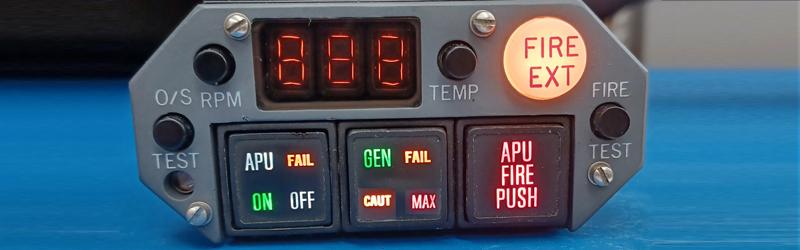
- Displays blank, locked up, too dim, too bright, missing segments
- No start or fails to come online unless buttons cycled multiple times
- Dimming INOP
- Annunciators INOP
- No power from control head
- Button sticks or will not latch
- Attempts start on A/C power up
Regulator Controller Squawks
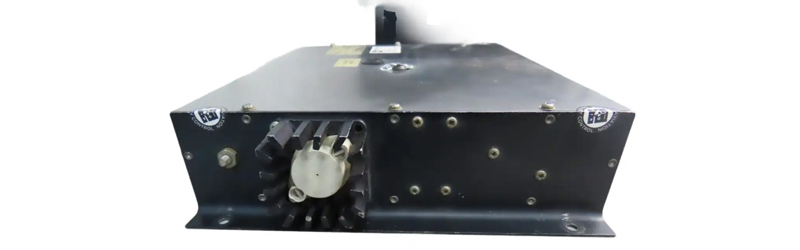
- Over/under voltage
- Out of parallel with main generators and cannot be adjusted via voltage adjust
- Generator drops off, and APU continues to run
- Intermittent fail lamp
- Fail light on (despite a valid ESU Ready signal from the generator)
- Caution or Max annunciators flickering (erratic)
- Fire test or Fire Detect INOP
- Shutdown after xx minutes, when cold, when hot, etc.
- Will not display error codes on control head
- Will not display bite codes on regulator controller
- Generator won’t come online or trips off.
- A flashing annunciator that is not flashing at a steady and constant rate
Interface Computer Squawks
- Intermittent shutdown with error code
- Shutdown and failed to restart
- Will not crank, no starter rotation
- RPM or TEMP readings out of tolerance
- Starter won’t disengage
- Generator won’t come online
- Intermittent to start, shuts down on its own
- Shutdown after XX minutes, when cold, when hot, etc.
- Intermittent or random fault codes after shutdown
- Will not display error codes on Control Head
- A code that doesn’t reflect a physical problem such as:
- Generator overheat
- Fire detect
- Fire wall shutoff
- Overspeed test
- Emergency kill
- Start contactor
- Generator contactor
- Bleed lead detect
- Bleed mod valve
Remember, the squawks listed above are the ones most commonly associated with each unit. Occasionally you will run into the exception to the rule. If in doubt or under time constraints due to flight schedules, it is perfectly acceptable to send in two or all three of the boxes in order to isolate the squawk, make necessary repairs, function test, and return any boxes that are found to be problem-free.
Duncan Aviation Component Repair Services
For questions about aircraft component troubleshooting or repair, contact the Duncan Aviation Component Tech Rep team at LNK.ComponentTechReps@DuncanAviation.com.