
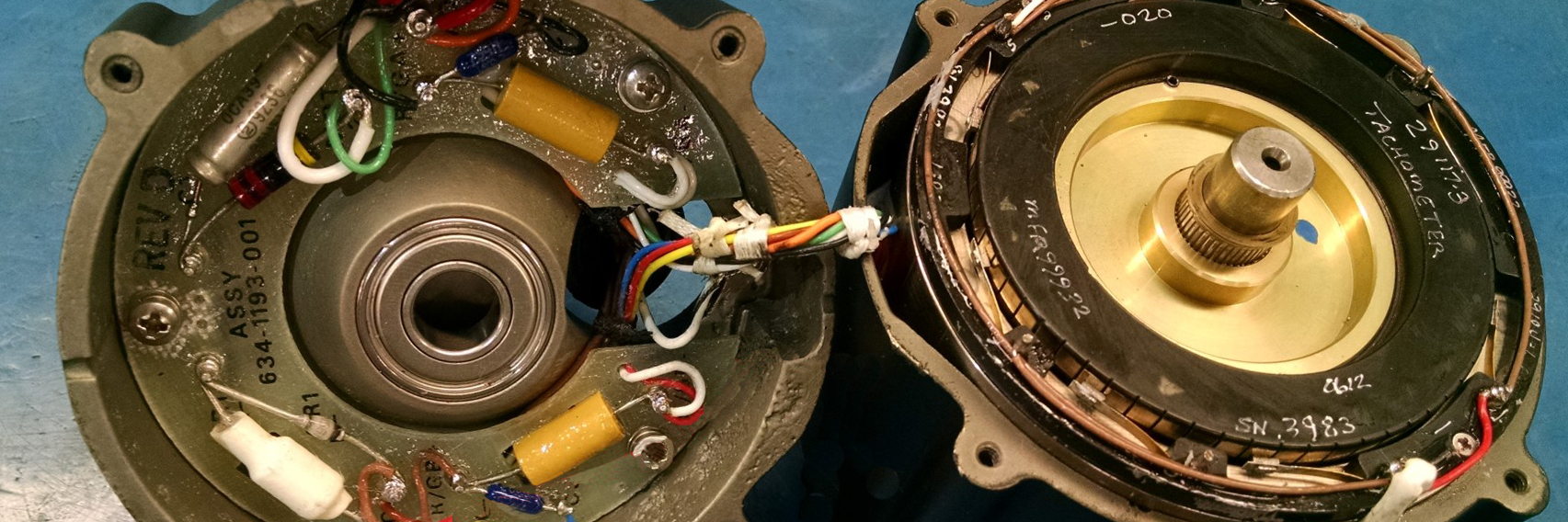
 In aviation maintenance, component reliability is paramount, and few parts play a more critical role in flight control precision than the servo. Although these units are engineered to meet stringent aerospace standards, they are not immune to the harsh environments and physical demands of regular flight operations. Over time, factors ranging from natural environmental exposure to subtle handling errors can compromise a servo's internal integrity, leading to accelerated wear or premature failure.
For operators and maintenance teams, recognizing how and why servos degrade is essential to avoiding costly operational disruptions. Equally important is knowing how to respond when a unit shows signs of distress. When does a comprehensive overhaul make sense, and when is it time to opt for a full replacement?
Below are six frequently asked questions that explore the primary drivers of component servo wear, including moisture intrusion, environmental stress, and installation pitfalls. They also outline the rigorous inspection processes used to determine the most cost-effective and reliable path forward for your aircraft.
Q: How does contamination or corrosion on a component servo happen, and how does it accelerate wear?
A: Although servos are sealed at the OEM level, those seals are subject to normal wear over time. Servos are also greased assemblies, and as the unit ages, grease can migrate or degrade, reducing internal protection. Moisture can then enter the geartrain because there is no internal sealing between the components. They are metal-to-metal interfaces without gaskets or O-rings.
Environmental factors such as aircraft attitude changes and repeated temperature changes further accelerate wear, particularly when the unit is exposed to rapid shifts between hot and cold conditions. These factors increase the likelihood of corrosion and mechanical degradation. Collins later addressed this vulnerability by updating their design.
Q: Can servos be improperly handled or installed?
A: Yes. Improper installation is one of the most common contributors to servo damage. Over-torquing during installation can fracture the mounts. Additionally, servos are relatively heavy for their size, and dropping a unit during handling can cause internal damage that may not be immediately apparent but can lead to premature failure.
Q: Why do some units fail earlier than expected?
A: Premature failures are most often associated with motor degradation or moisture intrusion that leads to internal corrosion. Once corrosion begins, it can affect electrical performance and mechanical operation, significantly shortening the service life of the servo.
Q: When is repair viable, and when is replacement the better option?
A: In the majority of cases, repair is the most practical and cost-effective solution. Replacement is typically only considered when required parts are no longer available or when the scope and cost of repair exceed reasonable limits.
Q: What goes into a Duncan Aviation servo inspection?
A: At Duncan Aviation, the inspection process begins with a preliminary evaluation of exterior damage, followed by bench testing that includes visual, dimensional, and functional closing inspections. Pre-closing and final inspections are performed to verify proper assembly and operation. When repairs are required, additional process inspections are conducted using a CMM (coordinate measuring machine). All work is completed by a qualified technician and independently verified by a master technician to ensure quality and compliance.
Q: Are there early signs a servo may need attention?
A: Some operators have the capability to perform bench checks prior to installation, which can identify issues early. Otherwise, abnormal servo behavior in the aircraft or resistance checks can provide indications that the unit may require inspection or maintenance.
For questions about servo troubleshooting or repair, contact Duncan Aviation Components at 800.562.6377 / +1 402.475.2611 or visit DuncanAviationParts.com.
September 2026
July 2026
June 2026
June 2026
December 2025