
 For owners and operators of business aircraft, buying or selling an aircraft involves more than market timing or purchase price. The right decision depends on mission requirements, operating costs, maintenance expectations, crew needs, passenger preferences, airport performance, cabin functionality, and long-term value.
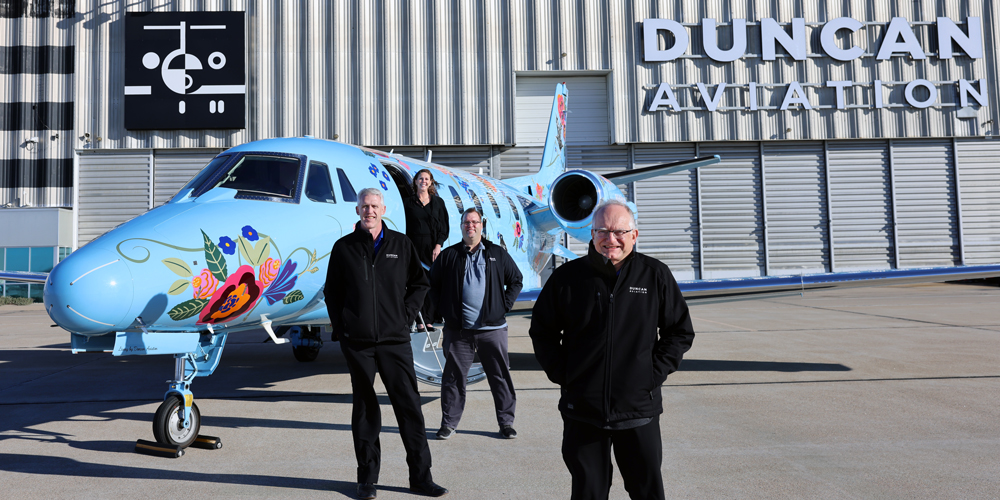
One useful perspective in that process comes from people who operate aircraft every day. Duncan Aviation’s internal Flight Department provides its Aircraft Sales & Acquisitions team with real-world operating knowledge to inform aircraft evaluations, ownership planning, and transaction strategy.
Duncan Aviation’s Flight Department is structured much like many customer flight departments, with leadership, pilots, maintenance personnel, dispatch support, and flight crews. In 2025, the department logged more than 1,400 flight hours, flew nearly 400,000 nautical miles, and transported more than 3,100 passengers. It supports Part 91 operations and a limited number of aircraft under a Part 135 certificate, and it operates under a formal Safety Management System. Its fleet includes single-engine piston aircraft, turboprops, light jets, and mid-size jets that fly a range of domestic and international missions. This activity provides practical insight into how different aircraft perform in actual ownership environments.
This operational experience is especially helpful when evaluating aircraft mission fit. Performance charts, range maps, and published specifications are important, but they do not always reflect the full ownership picture. Owners need to understand how an aircraft performs with passengers, baggage, fuel requirements, runway limitations, weather, crew scheduling, and maintenance needs. A model that appears suitable on paper may not be the best fit for frequent destinations, payload requirements, or future usage plans.
For first-time turbine or turbojet buyers, this kind of insight can help clarify the realities of ownership. Aircraft selection should account for more than speed, cabin size, or acquisition cost. Operating budgets, inspection intervals, parts availability, training requirements, insurance considerations, dispatch reliability, and resale expectations all affect the long-term ownership experience. Understanding these factors early can help prevent costly surprises after purchase.
Flight crews also contribute practical knowledge during the aircraft evaluation process. They can help assess mission profiles, runway performance, operating systems, limitations, cockpit considerations, and day-to-day usability. This is valuable when comparing aircraft that may serve similar missions but differ significantly in passenger comfort, baggage capacity, range, avionics, fuel burn, or airport access.
Maintenance perspective is equally important. Aircraft ownership includes scheduled inspections, unscheduled maintenance, component repairs, avionics updates, engine events, interior work, paint, connectivity, and cabin system upgrades. Understanding an aircraft’s technical status, upcoming maintenance requirements, and modification history can help buyers evaluate risk and help sellers present an aircraft accurately.
Customization and upgrade potential should also be considered. Paint, interior, avionics, connectivity, and cabin enhancements can affect both the ownership experience and marketability. For buyers, these considerations may influence whether to purchase an aircraft as equipped or plan for upgrades after closing. For sellers, documentation, presentation, and completed improvements can influence buyer confidence.
Duncan Aviation’s long history of owning, operating, maintaining, buying, and selling aircraft also informs how its team views the transaction process. Aircraft ownership can involve unexpected maintenance events, supply chain constraints, downtime, operational disruptions, and changing mission needs. A realistic understanding of those variables helps owners and operators make better decisions before, during, and after a transaction.
Duncan Aviation Aircraft Sales & Acquisitions can help owners and operators navigate the aircraft transaction process with market knowledge, aircraft-specific insight, and transaction experience. For sellers, the team can help evaluate current market conditions, establish a realistic value range, position the aircraft accurately, identify qualified buyers, manage inquiries, support negotiations, and coordinate the steps from offer through closing. For buyers, the team can help define mission requirements, identify suitable aircraft, compare available options, review market data, coordinate technical evaluations, and support negotiations and closing. The goal is to help owners and operators make informed decisions about aircraft sales and acquisitions with a clear understanding of value, condition, timing, and transaction risk.
October 2026
September 2026
August 2026
June 2026
April 2026