
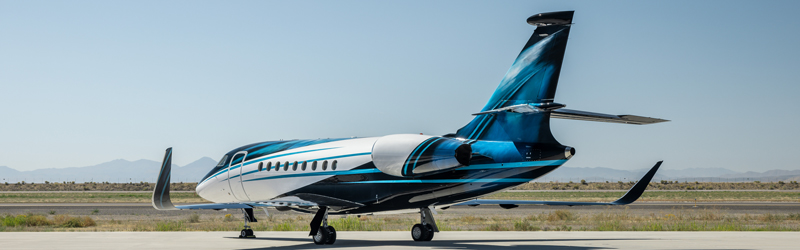
A fresh coat of paint on a business aircraft could be more than just a cosmetic upgrade—it could also be a regulatory event! However, the way that event is classified depends entirely on where your aircraft is registered. For aircraft operating under the FAA registry or internationally registered aircraft, understanding the distinction between maintenance and design changes is critical to staying compliant.
The FAA (Federal Aviation Administration) views an aircraft paint event as preventive maintenance. As a result, it is governed by standard maintenance protocols and airframe manuals. TCCA (Transport Canada Civil Aviation), Canada’s aviation authority, aligns with FAA guidelines that view paint as preventive maintenance rather than a change in design.
However, not all international registered aircraft are treated the same. EASA (European Union Aviation Safety Agency) and other international aviation authorities classify a livery or paint change as a design change. This means the data used for the paint job must be approved by a DOA (Design Organization Approval) holder or the OEM (Original Equipment Manufacturer).
For internationally registered aircraft being serviced in the U.S., this difference in classification can create administrative headaches. If an aircraft returns to its home country without the required design approvals, the owner must file all required paperwork and documents for approval; otherwise, they may face fines, delays, or additional downtime.
To mitigate this, Duncan Aviation has partnered with several EASA DOAs to support this requirement as part of our Complete Paint Process. While this partnership entails an additional cost, it enables Duncan Aviation to deliver a comprehensive data package that ensures a seamless return to service. This coordinated approach simplifies CAMO (Continuing Airworthiness Management Organization) oversight and helps ensure a smooth and efficient return to service.
While many other MRO (Maintenance, Repair, and Overhaul) facilities leave this paperwork to the owner, Duncan Aviation integrates it into the service, saving customers up to weeks of administrative delays.
Failing to secure these approvals before leaving the U.S. can result in more than just paperwork headaches; it could lead to legal and financial penalties. By treating a paint job as a comprehensive design event rather than just a shop visit, operators ensure their aircraft remains ready for mission the moment it touches down in its home jurisdiction.
Because EASA considers a paint/livery update a change to the Type Design, simply having a maintenance logbook entry is not enough. Here is a checklist of the documentation Duncan Aviation prepares to ensure a seamless return home for international operators.
Duncan Aviation creates a detailed design rendering/drawing in accordance with the customer’s paint design request. This design is created to meet EASA regulations (wing markings, e-exit marking regulations, Registration size requirements…)
After the aircraft is painted, all data information is submitted to the DOA for approval. The aircraft is returned to service after receiving DOA approval for the minor design change, with the DOA approval letter incorporated.
January 2026
January 2026
January 2026
December 2025
December 2025